
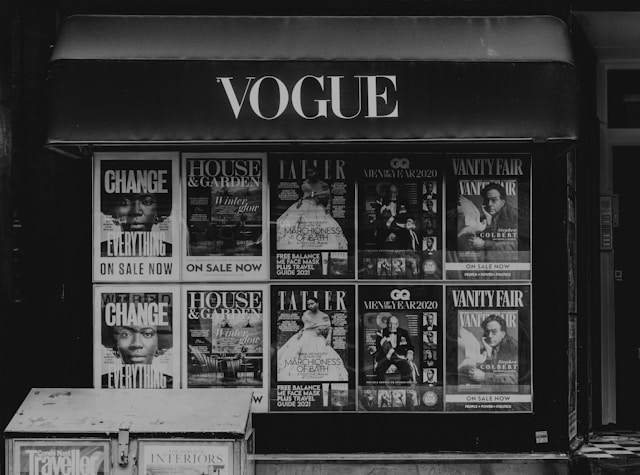

Condé Nast has initiated a trademark infringement and dilution action against the publisher of Dogue, a dog-fashion magazine, alleging that the name and branding of Dogue unlawfully trade on the goodwill and distinctiveness of Condé Nast’s iconic Vogue trademarks. The lawsuit was filed by Advance Magazine Publishers Inc., Condé Nast’s publishing entity, in the U.S. District Court for the Central District of California.
Background of the Dispute
According to the complaint, Dogue is a magazine devoted to dog fashion, canine culture, and celebrity dog owners. Condé Nast alleges that the name Dogue is deliberately designed to mimic the sound, appearance, and overall commercial impression of Vogue. Given Vogue’s status as one of the most recognized fashion publications in the world, Condé Nast contends that the similarity between the marks creates a substantial risk that consumers will believe Dogue is affiliated with, sponsored by, or otherwise connected to Vogue.
Condé Nast further asserts that the strength of the Vogue brand heightens the likelihood of confusion, particularly in the overlapping context of fashion and lifestyle media. The complaint emphasizes that Vogue has been published continuously for more than a century and has achieved worldwide recognition, making it a “famous mark” entitled to broad protection under federal trademark law.
Alleged Infringing Conduct
The lawsuit alleges that Dogue has engaged in a pattern of conduct that reinforces consumer confusion. Condé Nast claims that Dogue’s branding and presentation closely resemble Vogue’s signature style and that promotional materials have placed Dogue issues next to Vogue in ways that visually associate the two publications. The complaint also points to Dogue’s use of language on social media describing the magazine as being “in the style of Vogue,” which Condé Nast characterizes as an explicit attempt to capitalize on the reputation and recognition of the Vogue mark.
In addition, Condé Nast alleges that the publisher of Dogue, Tasty Work LLC, sought federal trademark registration for the Dogue mark in August 2025. Condé Nast opposed the application before the Trademark Trial and Appeal Board and issued a cease-and-desist letter demanding that Dogue discontinue use of the mark. According to the complaint, those efforts were unsuccessful, prompting the present litigation.
Claims Asserted Under Federal Trademark Law
Condé Nast brings its claims under the Lanham Act, asserting trademark infringement, trademark dilution, and unfair competition. The infringement claim alleges that Dogue’s use of a confusingly similar mark is likely to mislead consumers as to source or affiliation. The dilution claim asserts that Vogue is a famous mark and that Dogue’s use diminishes its distinctiveness, even if actual confusion cannot be shown.
They are seeking injunctive relief prohibiting further use of the Dogue name and branding, as well as damages, attorneys’ fees, and any other relief deemed appropriate by the court.
Broader Implications for Brand Owners and New Entrants
This dispute highlights the expansive protection afforded to famous trademarks and the heightened scrutiny applied when newer brands adopt names that closely resemble well-known marks. While parody and creative expression can sometimes provide defenses to trademark claims, courts closely examine whether a junior user is making a genuine expressive comment or instead attempting to benefit commercially from consumer recognition of an established brand.
For businesses and publishers, the case serves as a reminder that adopting a name inspired by a famous trademark, even in a niche or humorous context, can carry significant legal risk. Comprehensive trademark clearance and early legal review remain critical steps in brand development, particularly in industries where reputation and visual identity play a central role.
Trademark disputes involving famous brands can escalate quickly and carry significant financial and reputational consequences. Whether you are an established company seeking to protect the strength of your trademarks or a new venture developing a brand, publication, or product line, early legal guidance is essential.
Romano Law advises clients on trademark clearance, enforcement, opposition proceedings, and litigation under the Lanham Act. If you have questions about brand naming, potential infringement risk, or defending against a trademark claim, we encourage you to contact us to discuss how our legal team can help safeguard your brand and position you for long-term success.
Contributions to this blog by Kennedy McKinney.